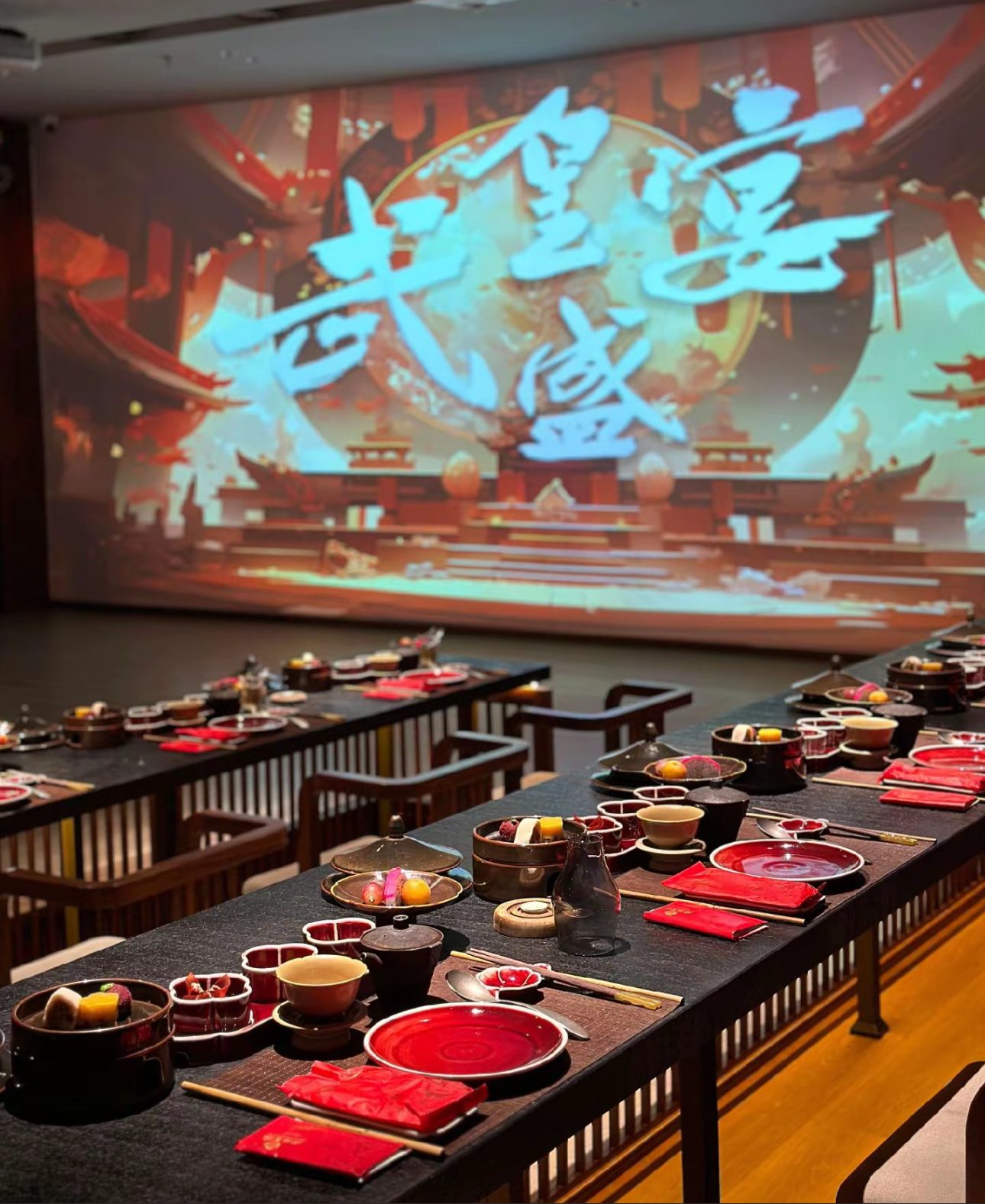
As of 2021, 42 Chinese elements have been inscribed on the UNESCO World Intangible Cultural Heritage List.
To attract foreign visitors to this unique culture and customs, the following is a list of China's major UNESCO World Intangible Cultural Heritage items, accompanied by specific web links for in-depth introductions to each heritage item.
Kun Opera
Kun Opera is considered the origin of all other Chinese operas and is also regarded as an art form that appeals only to the refined.
Peking Opera
Beijing Opera, inscribed on the UNESCO World Intangible Cultural Heritage List in 2010, is a national treasure with a history of 200 years.
Yue Opera
As China's youngest "old" drama, Yue Opera has become a part of China's cultural landscape.
Tibetan Opera
Tibetan Opera (known as "Ace Lhamo" in Tibetan) is an ancient Tibetan art form with a history of over 600 years.
Paper Cuttings
Paper cutting is an art form where patterns are cut on paper (black, white, or colored) and then pasted onto a contrasting or transparent surface.
Chinese Calligraphy
Calligraphy is a unique traditional art form in China. It is not only a tool for cultural exchange but also an artistic treasure that shines with extraordinary brilliance.
Woodblock Printing
Woodblock printing, or woodcut printing, originated in ancient China - just like many other cultural "firsts" of humanity.
Acupuncture and Moxibustion
For thousands of years, acupuncture and moxibustion therapies have been popular methods for preventing and treating diseases.
Loong Boat Festival
Loong Boat Festival falls on the fifth day of the fifth lunar month and is also known as Duan Wu Festival in China. It was established to commemorate the patriotic poet Qu Yuan.
Qiang New Year Festival
The Qiang New Year Festival is a traditional holiday of the Qiang ethnic minority in Sichuan Province. During the festival, the Qiang people celebrate the harvest and pray for prosperity, thereby promoting social and family harmony.
Textile Skills of the Li Ethnic Minority
The traditional textile skills of the Li ethnic group were founded by Li women in Hainan Province. It includes spinning, weaving, dyeing, and embroidery, with cotton threads, hemp ropes, and other fibers used to make clothing and daily necessities.
24 Solar Terms
The 24 Solar Terms were derived by ancient Chinese farmers through observing the annual movement of the sun. They are used to mark seasons, weather, and natural changes.